Rabbit vaccination
How much does it cost to vaccinate your rabbit?
Myxomatosis & Haemorrhagic Disease (RHD-1;RHD-2)
£70
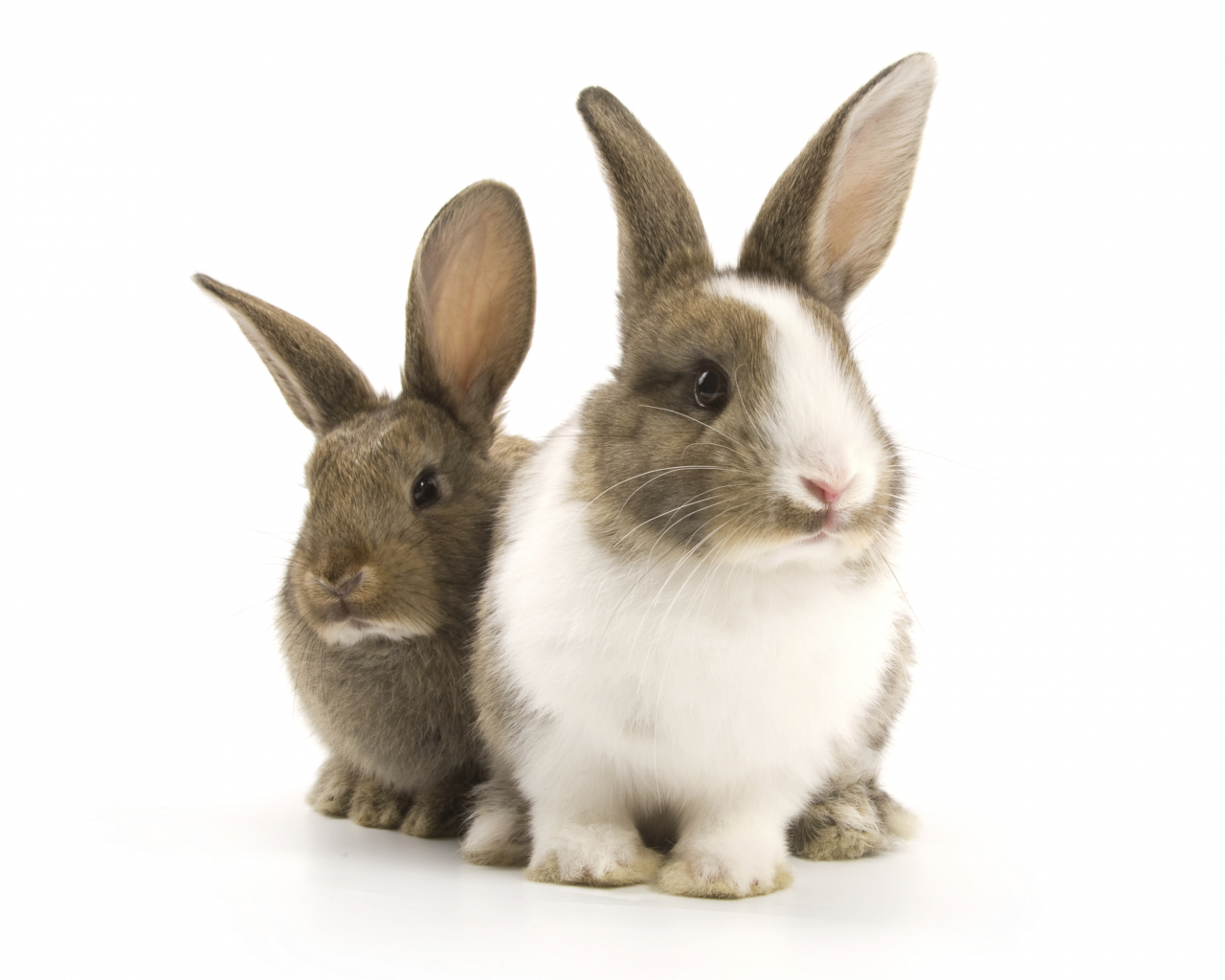
Vaccination: protecting your rabbit
Vaccinations are critical in helping your rabbit fight off infectious diseases, which can be fatal. However, initial vaccination followed by regular boosters can protect your rabbit against these diseases. We recommend vaccinating both outdoor and indoor rabbits. Although indoor rabbits are less likely to come into contact with wild rabbits, myxomatosis, RHD-1 and RHD-2 can easily be spread by insect bites, on other pets, and even on their owner’s clothes and shoes.
Why vaccinate my rabbit?
Vaccinations can help protect your rabbit against some potentially fatal diseases, such as myxomatosis and rabbit haemorrhagic disease.
When should my rabbit be vaccinated?
Rabbits can be vaccinated from five weeks of age and require a yearly booster vaccination to maintain continued protection. Like all vaccinations, complete protection cannot be guaranteed and vaccinated rabbits can still catch myxomatosis however the symptoms are generally much milder in the vaccinated patient and carry a significantly better prognosis.
We recommend the following vaccination for your rabbit:
Vaccinations are available to protect your rabbits from:
- Myxomatosis
- Rabbit Haemorrhagic Disease 1 (RHD-1)
- Rabbit Haemorrhagic Disease 2 (RHD-2)
At MPVS we use Nobivac Mixo Rhd Plus
Any new rabbits should be vaccinated and kept away from your existing rabbits for at least three weeks.
Myxomatosis
Myxomatosis is a deadly viral infection that can affect both wild and pet rabbits. Once infected rabbits develop severe conjunctivitis followed by swellings around the head and genital regions. As the disease progresses the rabbit will become increasingly weak. In the majority of cases, the rabbit will, unfortunately, pass away despite treatment.
The main route of infection is via insect bites such as from fleas and mosquitoes that have previously bitten an infected rabbit. Direct contact with an infected rabbit can also spread the disease. Rabbits living outside, especially if wild rabbits enter the garden, are particularly at risk however all unvaccinated rabbits are at risk of contracting the disease.
The vaccination used for Myxomatosis also includes protection against Rabbit Haemorrhagic Disease (RHD) – another silent and serious threat that your rabbits may face.
Rabbit Haemorrhagic Disease (RHD)
Rabbit Haemorrhagic Disease (RHD, also known as ‘Rabbit Viral Haemorrhagic Disease’, RVHD or VHD) is a nasty disease that affects rabbits by attacking their lungs and other organs (such as the liver) and causes internal bleeding. It spreads very easily and is almost always fatal. There are two different types of RHD virus - RHD-1 and RHD-2. RHD1 causes very sudden illness and is nearly always fatal within two days of catching it.
RHD2 often develops a bit more slowly and is often fatal within 1-2 weeks. Rabbits with RHD2 are much more likely to spread the disease because they live for longer with symptoms.
What can I do to protect my rabbit from RHD and Myxomatosis ?
- Vaccination is an important factor in protecting your rabbit against Viral Haemorrhagic Disease and Myxomatosis
- Avoid attracting insects by keeping your rabbits and their living environment clean. This will also reduce the risk of flystrike.
- Fitting insect screens to outdoor hutches and runs
- Speak to MPVS for advice on the best flea protection for your rabbit.
- Treating all other household pets (cats and dogs) with a proven flea protection products
- Where possible protecting your garden from visiting wild rabbits